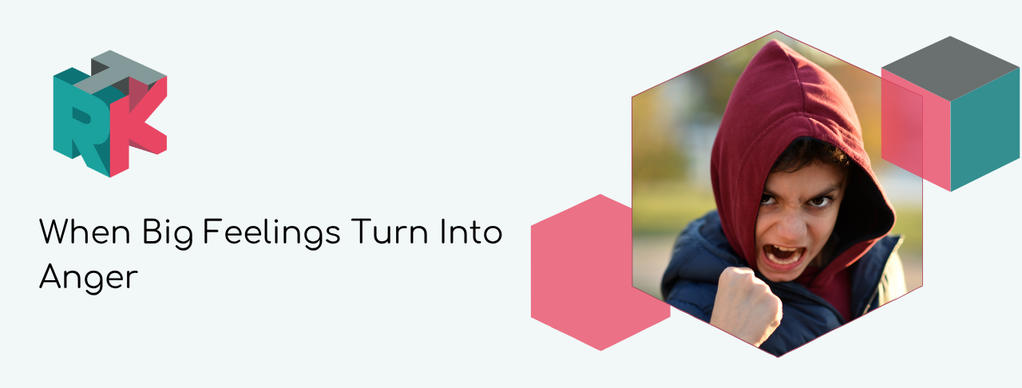
When a child with ADHD becomes overwhelmed, anger can appear suddenly and intensely. But what looks like challenging behaviour may actually be their nervous system moving into fight mode. Resilient Ki
Understanding the Fight Response in Children With ADHD
Over the last few months, I have supported several children who either have ADHD or are currently being assessed for it. One pattern has shown up again and again. When they become overwhelmed with big emotions, they often slip straight into the fight response. This is not because they are naughty or rude. It is because their nervous system is firing at full speed, and their brain is trying to protect them.
As a counsellor and resilience coach, I see this often. A child feels too much at once. Their body becomes flooded with energy. Their thinking brain switches off. Their survival brain takes over. Anger is not really anger. It is fear, confusion, frustration and sadness all mixed together. The child is not choosing the reaction. The reaction is choosing them.
For parents, this can be upsetting and exhausting. You want to help your child but sometimes it feels like nothing works. The good news is that there are simple things you can give your child to support them when the fight response starts to take over. These tools help regulate the body first so the brain can follow.
Here are five practical things you can give your child to help them manage anger and big emotions.
-
A sensory object that they can squeeze or hold
Children with ADHD often need something physical to ground them. A small stress ball, a squishy toy or even a rolled up sock can help. The aim is to give their hands a job so their feelings have somewhere to go. Squeezing helps release tension from the muscles and calms the body.
-
A drink or snack
Sometimes their body needs a reset. A cold drink, an ice pop or something crunchy like carrots or crackers can bring their focus back into the present moment. Crunchy or cold foods give sensory feedback through the mouth which gives feedback to the brain that we are safe andd helps regulate the nervous system.
-
A safe space box
Create a small box together filled with comforting items. This could include colouring pencils, a soft toy, a favourite photo, a fidget toy or a simple breathing card. When your child starts to feel overwhelmed, they can go to their safe space box and choose something that helps them settle.
-
A movement break tool
Children with ADHD often hold stress in their body. Movement helps release that energy before it becomes anger. You can give them a movement card with simple actions like star jumps, wall pushes or stepping outside for fresh air. Movement can change their physical state which in turn changes their emotional state.
-
A simple script for when feelings rise
When a child goes into fight mode, they lose their words. Giving them a short script helps them communicate before things escalate. This could be something like: I need space or My body feels too full or I need help. Keep it short and repeat it often so it becomes familiar. If this is too hard for them to remeber in the moment like a code word eg Banana’s so they can let the adults around them know they are feeling fizzy.
Every child with ADHD is different. What works for one may not work for another. Give the above a try and see what works for yours. The key is to stay calm, stay consistent and notice the small victories. When you help your child understand their body and their emotions, you are giving them tools they will use for the rest of their life
Written by Fiona Kennedy
A Resilient Kid and Resilient Teen Coach,
Based in Bramhall, Cheadle Hulme, and Poynton, Fiona brings a strong background in mental health counselling and a deep commitment to helping young people grow in confidence and resilience.
Links to socials
Read more about Fiona here - Fiona
FB - TRK Coach Fiona
Insta - Fiona Kennedy (@trk.coach.fiona) • Instagram profile
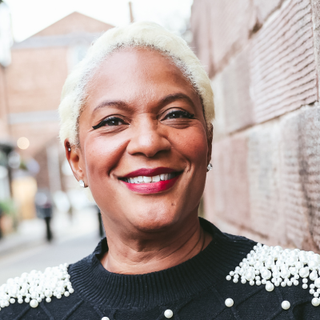
Fiona Kennedy
Fiona is a qualified counsellor and Resilient Kid Coach supporting children, young people and families across Bramhall, Cheadle Hulme and Poynton. With a strong background in counselling and emotional wellbeing, she is passionate about helping children feel heard, understood and valued. Fiona brings a calm, compassionate and nurturing approach to her work, supporting young people to build confidence, strengthen their self-esteem and develop emotional resilience. She believes that positive relationships and having someone who truly listens can make a lasting difference in a child's life, helping them recognise their strengths and navigate life's challenges. Find out more about Fiona and how she can support your family: https://theresilienthub.co.uk/trh-coaches/fiona
No comments yet. Login to start a new discussion Start a new discussion