We’ve all heard the phrase “it takes a village to raise a child” — but for many families, that village no longer exists in the way it once did. Grandparents live miles away, families are scattered acr
How to make a village for your kids
How do we make a Village for our kids?
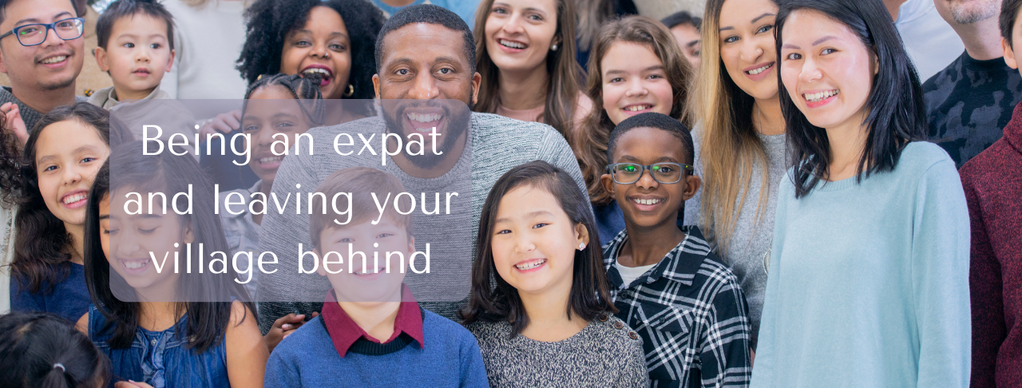
We’ve all heard the old African proverb ‘it takes a village to raise a child’ and it is absolutely spot on. But the village that we grew up in, just thirty or forty years ago doesn’t look anything like the village that our kids are navigating today and relationships are changing because of it.
When I left the UK to live in Abu Dhabi with my husband and 1-year-old daughter, I was leaving my village behind. My family was my babysitter and my support system. There were the aunties and uncles that took her out for the day, the friends who would bring their kids around to play, and the grandparents who were just amazing.
There is a definite correlation between proximity and relationship with the extended family. Families are now often spread out – even all over the world. Today we see kids upstairs in their bedrooms playing games with friends online or scrolling on their phones engaging in a virtual world rather than playing or hanging out with friends. The feeling of community isn’t quite as strong – parents are often now working from home, but they do not know or have support from their neighbors, and they are living miles from family and the support networks of our childhood – it’s no wonder that without our village, we are seeing a corresponding rise in mental health issues in kids.
According to the latest research, one in six young people, aged 6 to 16, has a mental health problem. Even more concerning, the research shows that one in four 17 to 19-year-olds also have mental health problems. This is currently the same rate as the adults! Our kids are missing that wider community connection, the extended family. The aunts and uncles, blood ties or not, who unofficially watch over our kids when we might not be available. Connection is not only the backbone of resilience but it’s a basic human need. Research has shown us that loneliness is on the rise and lack of human connection is considered more harmful to our health than obesity or smoking.
Ram Dass, in his book, Walking Each Other Home writes:
‘We are all in this together, parallel souls on a parallel journey ...’
I will be honest with you: this statement profoundly shook me. As parents, we constantly worry. Are we doing things wrong? Are we doing good enough? Or worse still, are we damaging our kids? After reading Ram Dass, I thought that is it! Our job as parents, educators, and adults in the community, is to simply walk our kids home, the best way we know how.
That said, I am not suggesting we always know best. Sometimes we need advice or support to do this – in the words of Maya Angelou:
‘Do the best you can until you know better. Then when you know better, do better.’
That’s all any of us want, isn’t it? To do better for our kids. I will say our kids, our children all the way through this, as I fundamentally believe all kids are our responsibility. We must be that village, with the kids we raise, with our friends’ kids, with the kids we teach, and even those we meet out in our communities.
How can we be the village our kids need?
Our job, as parents and champions, is to hold our child’s hand and walk them through this world with all the feelings, experiences, and love we can.
How do we do that?
In my experience, it always starts with emotional regulation. Our own emotional regulation – how we as parents keep from blowing our top when things don’t go according to plan, for example, we notice milk down their uniform or the dog has been sick in your work bag as you’re about to walk out the door for school drop off or we just need the kids to sit down to the lesson and they are taking their time.
Then, how do we help them keep a lid on their emotions? As parents and champions, we are not always aware, or we don’t understand the impact of our kids’ brain development on their emotional development. We walk alongside our babies, watching them learn to walk and talk, getting up to all kinds of mischief. Then our babies get taller and hit puberty – and we think yay we did it! Job done! They may be grown but our brains do not develop fully until we are between twenty and thirty years old. Our kids need us for a long time, helping them walk through their emotions.
For those already thinking they have failed their children, let me tell you some good news. Research states we only need to get this parenting thing right thirty percent of the time for our kids to turn out well. Read that again. Thirty percent! This means we can do less than our best seventy percent of the time and still do a good job!
Real-life example
Emma is a parent to three fabulous kids. She separated from their father when the youngest was still a toddler and brought them up without much help from their dad. Emma would often get to the end of her tether as one or more of the kids would be messing around or misbehaving. ‘I always feel like they tag team, when one starts to behave, they tag another one in that starts to act up.’ Emma’s way of dealing with kids on top of stresses with work and running a house singlehanded is to shout at them. She would then feel enormous guilt for losing her temper with them. ‘I would shout at them, then feel guilty about everything, the shouting, the separation from their dad, even what they had for dinner.’ When I first met Emma, one of the first things I said to her was, ‘How often do you think you get this parenting malarky right?’ She replied, ‘About 50/50.’ I told her about the thirty percent research. The facts are that it’s more about showing up for our kids than being perfect. Modeling for them the repair after we lose it. Deepening those connections and building resilience.
The heart of parenting
This, for me, is the heart of our role – whether we parent, teach, guide, or watch out for them – we are here to walk these kids home and help them regulate their emotions all the way. How do we do that when we don’t have family nearby? We make a village! I left Abu Dhabi over 5 years ago now but some of the friends we made there are lifelong friends. They were the tag team on the beach chasing after kids, the extra pair of hands at a kid's party, the late-night chats when worried if we were doing the right thing, and the weekend babysitter when it was an anniversary. I meet girlfriends in the summer when they visit the UK, the hubby has an annual golf tournament with his buddies and my 1-year-old is now 15 about to leave school, and speaks to her Abu Dhabi friends at least once a week wherever they now live in the world. You can create a village wherever you are in the world for your kids, surround them with adults who care about them, who care about you – THAT IS YOUR VILLAGE.

Ashley Costello
Ashley is the founder of The Resilient Kid and The Resilient Academy, an experienced psychotherapist with over 30 years of experience supporting children, young people and families. As an author, TEDx speaker, podcaster and mum of two, Ashley is passionate about helping children understand their emotions, build confidence and develop lifelong resilience. Through her work with families, schools and Resilient Kid Coaches, she is on a mission to make emotional wellbeing support accessible to more children, empowering the adults around them to create environments where they feel safe, connected and able to thrive. Find out more about Ashley and her work: https://theresilienthub.co.uk/trh-coaches/ashley
No comments yet. Login to start a new discussion Start a new discussion