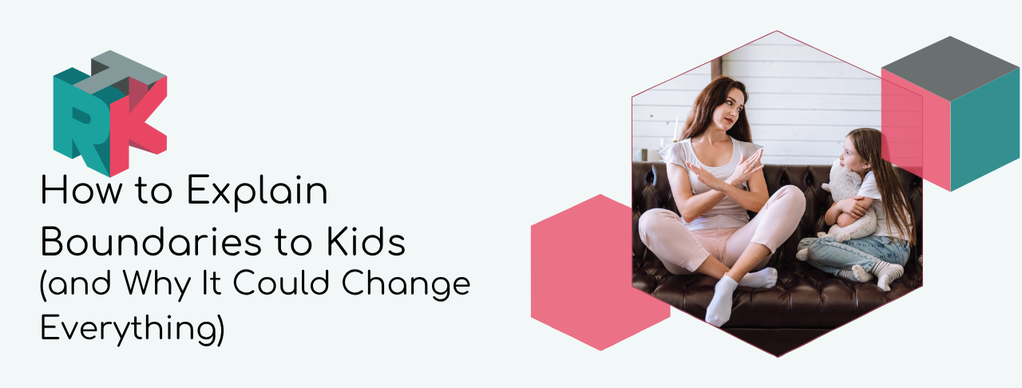
Boundaries are one of the most important life skills we can teach our children. From being able to say no to unwanted affection to protecting their time, emotions and belongings, healthy boundaries he
Have you ever tried to teach your child about boundaries, only to get a blank look in return?
If so, you’re not alone.
As a psychotherapist and mum, I’ve found that boundaries are one of the most important life skills we can teach our kids, but also one of the least talked about.
This post will walk you through what boundaries are, why they matter for children of all ages, and how you can start building these skills into everyday life at home.
Let’s get into it.
What Are Boundaries?
At their core, boundaries are the invisible lines we draw to protect our personal space, time, and emotions.
They’re the unspoken “this is okay” and “this is not okay” of relationships, whether you're five years old or fifty.
For kids, boundaries offer:
-
A sense of safety
-
The ability to say no without guilt
-
Tools to manage relationships with peers, siblings, and adults
When children understand boundaries, they’re more likely to stand up for themselves, develop emotional intelligence, and build healthy, respectful relationships.
The Six Types of Boundaries Every Child Should Know
1. Emotional Boundaries
These are all about feelings, values, and beliefs. Children need to know they’re allowed to say things like:
-
“I don’t want to talk about it right now.”
-
“I need a bit of space.”
-
“That makes me upset.”
As adults, we often want to help or fix things, but pushing kids to open up when they’re not ready can do more harm than good. Instead, honour the pause and give them time.
2. Physical Boundaries
This includes body autonomy, personal space, and privacy. Children should feel empowered to say:
-
“Don’t touch my things.”
-
“Please knock before coming into my room.”
-
“I don’t feel comfortable hugging that person.”
In our house, we taught our children that they never have to hug or kiss anyone—even relatives—if they don’t want to. It’s about teaching them early that their body belongs to them.
3. Verbal Boundaries
Verbal boundaries shape how children speak—and how they expect to be spoken to.
Support them in saying:
-
“I don’t like it when you talk like that.”
-
“I need some quiet time.”
-
“Let’s not talk about our friend when they’re not here.”
Even at home, it’s okay for your child to ask for respectful language or to step away from a conversation that makes them uncomfortable.
4. Sexual Boundaries
Yes, this topic can feel awkward. But as my friend Sarah Vogel always says: If you’re not talking to your child about this, someone else will.
Children need to know:
-
They have the right to say no to any kind of physical contact
-
Consent applies to everyone, at every age
-
Their body is theirs, always
Start young with age-appropriate language and keep the conversation going as they grow.
5. Time Boundaries
Overloaded schedules, back-to-back clubs, and constant activities can leave children burnt out. Time boundaries might sound like:
-
“I’m too tired to go today.”
-
“I’ve got homework, so I can’t play right now.”
As parents, we often overschedule because we want to give them every opportunity. But rest is a right, not a reward.
6. Material Boundaries
From favourite toys to borrowed clothes, children need to learn:
-
The difference between sharing and giving
-
How to say, “I’ll lend it to you, but I’d like it back by Friday”
-
That it’s okay to ask for their things to be returned
When someone doesn’t return a borrowed item, it’s not just about the object—it can feel like a lack of respect. That’s why this type of boundary matters just as much as the others.
How Boundaries Build Resilient Kids
So why are boundaries so important? Here’s what they give our kids:
Self-Respect
Boundaries help children recognise that their needs matter. That’s a game-changer for their self-worth.
Healthy Relationships
Good boundaries reduce conflict, promote mutual respect, and prevent codependency—especially in friendships and teen relationships.
Stress Reduction
When kids can say “no,” manage their time, and protect their energy, they feel more in control of their emotions and less overwhelmed.
Self-Care Skills
Boundaries are foundational to emotional well-being. They allow kids to rest, recharge, and express their needs, without guilt.
Teaching Kids About Boundaries: Practical Tips
Ready to start? Here’s how to teach boundaries in everyday life:
1. Use Simple Language
Keep it age-appropriate and clear:
-
“You don’t have to hug anyone if you don’t want to.”
-
“It’s okay to say no.”
2. Model What You Teach
Show them how you:
-
Ask for space
-
Knock before entering rooms
-
Say no politely and respectfully
They learn by watching you.
3. Practice with Role Play
Yes, it feels awkward—but it works! Help your child rehearse:
-
Saying no to peer pressure
-
Standing up for themselves
-
Asking for an item back
Confidence grows with practice.
4. Be Their Advocate
When they say they don’t want to talk or need space, listen. If someone crosses their boundary, step in. Show them that their voice matters.
Signs of Boundary Violations to Watch Out For
Sometimes, it’s not obvious when a child’s boundary has been crossed. Look out for:
-
Siblings entering their room without permission
-
Adults pressuring them to share feelings or give affection
-
Friends keep borrowing items or speaking harshly
-
Over-scheduled routines that leave them exhausted
Use these moments as teaching opportunities—not just for your child, but for yourself too.
A Final Word for Parents
We all make mistakes. I’ve pushed my kids’ boundaries before—out of worry, love, or habit. But when we know better, we do better.
It’s okay to say:
“You’re right. I crossed a line. I’m sorry—I’ll do better.”
By setting and respecting boundaries ourselves, we’re not just teaching our children to value their own wellbeing—we’re showing them that healthy relationships are built on mutual respect.
And in today’s world, that’s one of the greatest gifts we can give.
Join the Conversation
Want more tools like this? Come and join us in The Village—our free Facebook group for parents, carers, and educators. We share daily tips, support, and wisdom from our Resilient Kid coaches.
Join here: https://www.facebook.com/groups/thevillageparents/
Listen to the full podcast episode: https://creators.spotify.com/pod/show/ashley-costello/episodes/S8E10---Why-Setting-Boundaries-is-the-Key-to-Raising-Confident--Resilient-Kids-And-How-to-Teach-Them-e34dhne
Grab the book: A Parent’s Guide to Raising a Resilient Kid: https://www.theresilientacademy.co.uk/book
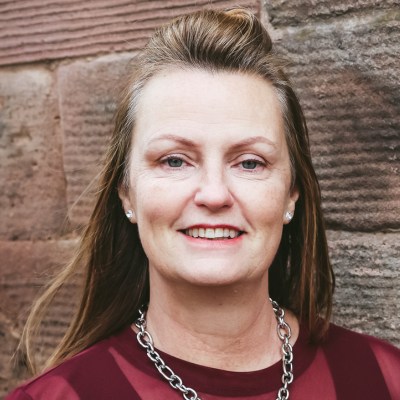
Ashley Costello
Ashley is the founder of The Resilient Kid and The Resilient Academy, an experienced psychotherapist with over 30 years of experience supporting children, young people and families. As an author, TEDx speaker, podcaster and mum of two, Ashley is passionate about helping children understand their emotions, build confidence and develop lifelong resilience. Through her work with families, schools and Resilient Kid Coaches, she is on a mission to make emotional wellbeing support accessible to more children, empowering the adults around them to create environments where they feel safe, connected and able to thrive. Find out more about Ashley and her work: https://theresilienthub.co.uk/trh-coaches/ashley
No comments yet. Login to start a new discussion Start a new discussion