Learning to say “no” is an important part of growing up — but it can be surprisingly difficult in a world that often rewards people-pleasing and overcommitting. By modelling healthy boundaries and res
Helping Kids Set Boundaries in a “Yes” World
If I had a pound for every time I’ve said yes when I meant no, I’d have… well, enough for a family holiday. Somewhere quiet. With no Wi-Fi.
Because here’s the truth: we live in a yes culture.
“Yes, I’ll take that on.”
“Yes, I’ll help.”
“Yes, we can squeeze it in.”
We say yes to keep the peace, to avoid guilt, or because it’s just easier in the moment — even when we know it’ll leave us frazzled later.
And our kids? They’re watching. They’re learning what boundaries look like (or don’t).
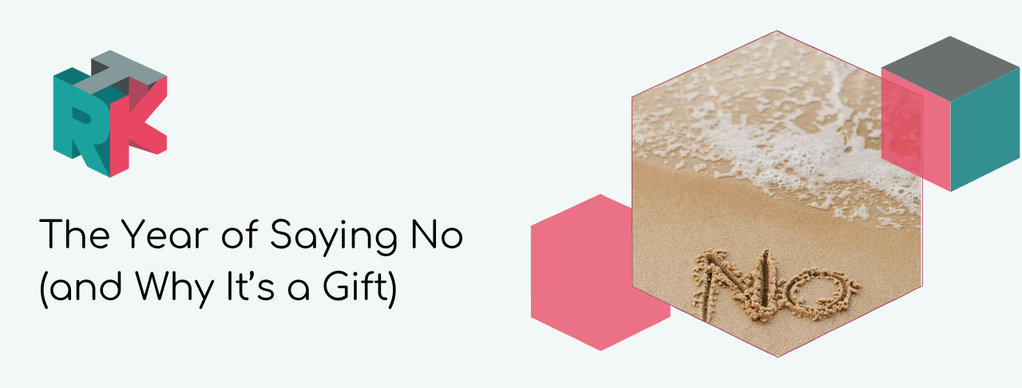
So this year, what if we made “no” the word we celebrate?
Not a harsh, selfish, closed-door “no” — but a kind, clear, self-respecting one. Because learning when and how to say no might just be one of the greatest gifts we can give our children.
Why “No” Matters
Saying no isn’t about rejection — it’s about protection.
When kids learn to say no, they’re learning:
-
that their feelings matter,
-
that they can trust their instincts, and
-
that they have the right to create emotional space when something doesn’t feel right.
In a world where social media rewards overexposure and friendship circles can blur boundaries, a confident no becomes a form of self-care.
Boundaries Start in the Brain
Children aren’t born knowing how to set limits — they learn it from us.
Every time we model calm boundaries (“I can’t talk right now, but I’ll listen after dinner”) or respect theirs (“I can see you need a bit of space”), we’re wiring their brain for healthy self-respect.
Boundaries are like emotional fences — not walls, just gentle lines that keep relationships safe and clear.
Teaching “No” at Every Stage
For Little Ones:
Give choices that include no as an option.
“Do you want a hug right now, or later?”
This teaches consent, autonomy, and body confidence — early building blocks for future safety and respect.
For Primary Kids:
Model how to say no kindly.
“I really like you, but I don’t want to play that game right now.”
They learn it’s possible to protect themselves and still be kind — that empathy and boundaries can co-exist.
For Teens:
Help them practice real-life “nos”:
to peer pressure, to social overload, to relationships that feel unbalanced.
Teach phrases like, “I don’t feel up for that tonight,” or “That doesn’t work for me.”
Because clear boundaries aren’t rudeness — they’re emotional fluency.
Parents, This Starts With Us
Let’s be honest — we’re not always great at it either.
We overcommit, overgive, and overexplain. We say yes when we’re tired, yes when we’re resentful, yes when we just want to lie on the sofa and eat crisps in peace.
But when we start saying no with compassion and confidence, we model something powerful: that self-respect is healthy, not selfish.
Our children see that it’s okay to prioritise rest, values, and well-being over people-pleasing.
The Real Gift
So maybe this is the year of saying no.
No to overwhelm.
No to guilt.
No to things that don’t align with our values.
Because every no creates space for a more meaningful yes — the yes to joy, rest, connection, and presence.
When our kids see that, they learn that boundaries don’t build walls — they build stronger relationships.
And that might just be the gift that keeps on giving.
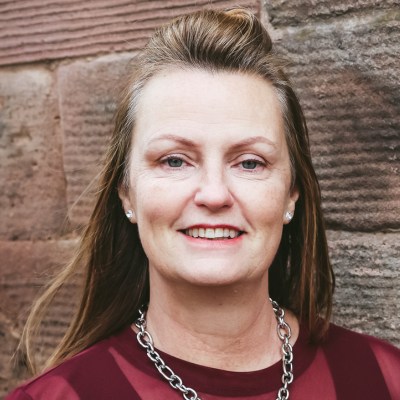
Ashley Costello
Ashley is the founder of The Resilient Kid and The Resilient Academy, an experienced psychotherapist with over 30 years of experience supporting children, young people and families. As an author, TEDx speaker, podcaster and mum of two, Ashley is passionate about helping children understand their emotions, build confidence and develop lifelong resilience. Through her work with families, schools and Resilient Kid Coaches, she is on a mission to make emotional wellbeing support accessible to more children, empowering the adults around them to create environments where they feel safe, connected and able to thrive. Find out more about Ashley and her work: https://theresilienthub.co.uk/trh-coaches/ashley
No comments yet. Login to start a new discussion Start a new discussion